Barcelona ranks second in the EU for artificial intelligence in The Observer’s AI Cities Index
The Observer's AI Cities Index 2026 ranks Barcelona 22nd in the world and 2nd in the EU for AI, behind only Paris. What the index measures and where the city stands out.
By Marc Nieto
Barcelona is the second city in the European Union for artificial intelligence, behind only Paris, according to the AI Cities Index 2026 published by The Observer on 20 October. In the global ranking, which compares 57 cities across 36 countries, Barcelona sits 22nd with 20.9 points and is fourth in Europe after Paris, London and Cambridge. Jérémie Benhamou, founder of The Tech Nation, brought the figure to wider attention with a reading we share: Europe is still in the race.
In short
Barcelona is 22nd in the world and 2nd in the EU in The Observer’s first AI Cities Index; Madrid is 25th.
Six European cities make the top 25 (Paris, London, Cambridge, Barcelona, Oxford and Madrid), against four Chinese ones.
Its big strength is the environment: Barcelona is 9th in the world for operating environment, but 48th for private investment.
What the AI Cities Index is
It is a composite index built from 50 indicators, drawn from quantitative sources and qualitative fieldwork, grouped into three pillars: implementation (infrastructure and operating environment), innovation (research, development and commercial ecosystem) and investment (public and private). Seven measures in all, which The Observer uses to rank the world’s leading AI hubs.
The top holds no surprises: San Francisco and New York lead, followed by Seoul and Beijing. Paris is 5th and Europe’s leader, with London 6th just 0.2 points behind. They are the only European cities in the top ten.
Europe is still in the race
The optimistic reading is in the middle of the table. The top 25 includes six European cities: Paris (5th), London (6th), Cambridge (21st), Barcelona (22nd), Oxford (23rd) and Madrid (25th). China places four: Beijing, Shenzhen, Shanghai and Hangzhou. The US and Asia own the podium, but Europe has depth: 40% of the cities in the index are European.
Barcelona, pillar by pillar
Pillar
Global rank
Operating environment
9th
Infrastructure
19th
Public investment
25th
Research
41st
Commercial ecosystem
43rd
Development
45th
Private investment
48th
The profile is clear. Barcelona is not the capital of venture capital, nor home to the big frontier-model labs. It is an excellent generalist: a place where it is easy to set up, hire talent and operate, with good infrastructure and public support. In other words, the city where applied AI, the kind that reaches real businesses, takes root.
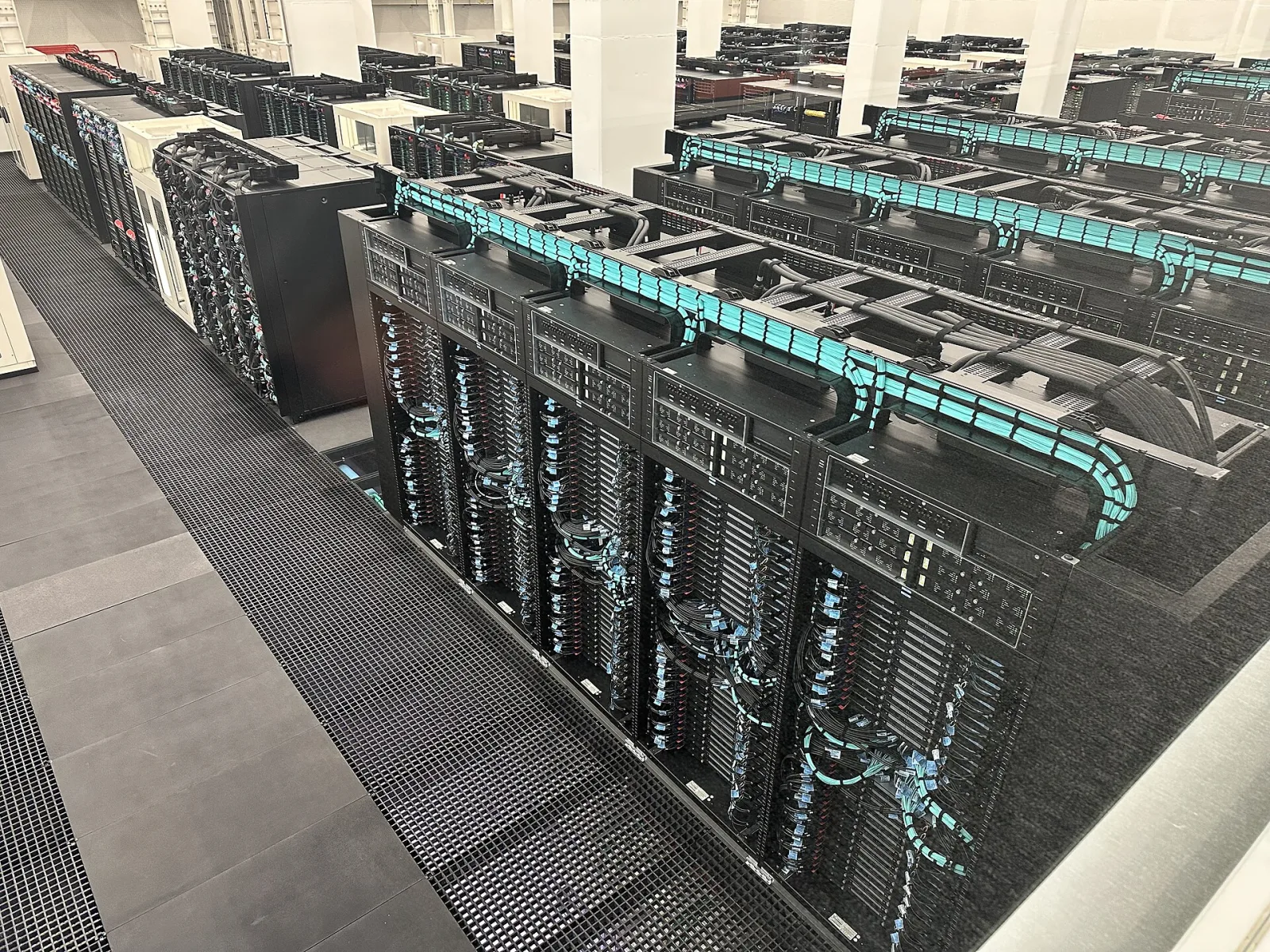
MareNostrum 5, the Barcelona Supercomputing Center’s supercomputer. Image: Steve Jurvetson / Wikimedia Commons (CC BY 4.0)
Part of that infrastructure has a name: the Barcelona Supercomputing Center and its MareNostrum 5, one of Europe’s most powerful supercomputers, alongside a network of research centres, universities and hubs such as the 22@ district.
The weak spot: private investment
Ranking 22nd in the world while sitting 48th for private investment says a lot about the city, and about what it lacks. Not everyone agrees: in the discussion under Benhamou’s post, some questioned whether Barcelona really beats Berlin or Munich when you look at funding rounds and startup numbers. That is exactly what this pillar captures. The index rewards environment and adoption; capital is still concentrated in Paris, London and, outside Europe, the US and Asia.
Other rankings point the same way. The New Barcelona Post reports that, according to IBM’s Global Location Trends report, Barcelona is third in the world for foreign AI investment projects over the past five years, behind only London and Singapore.
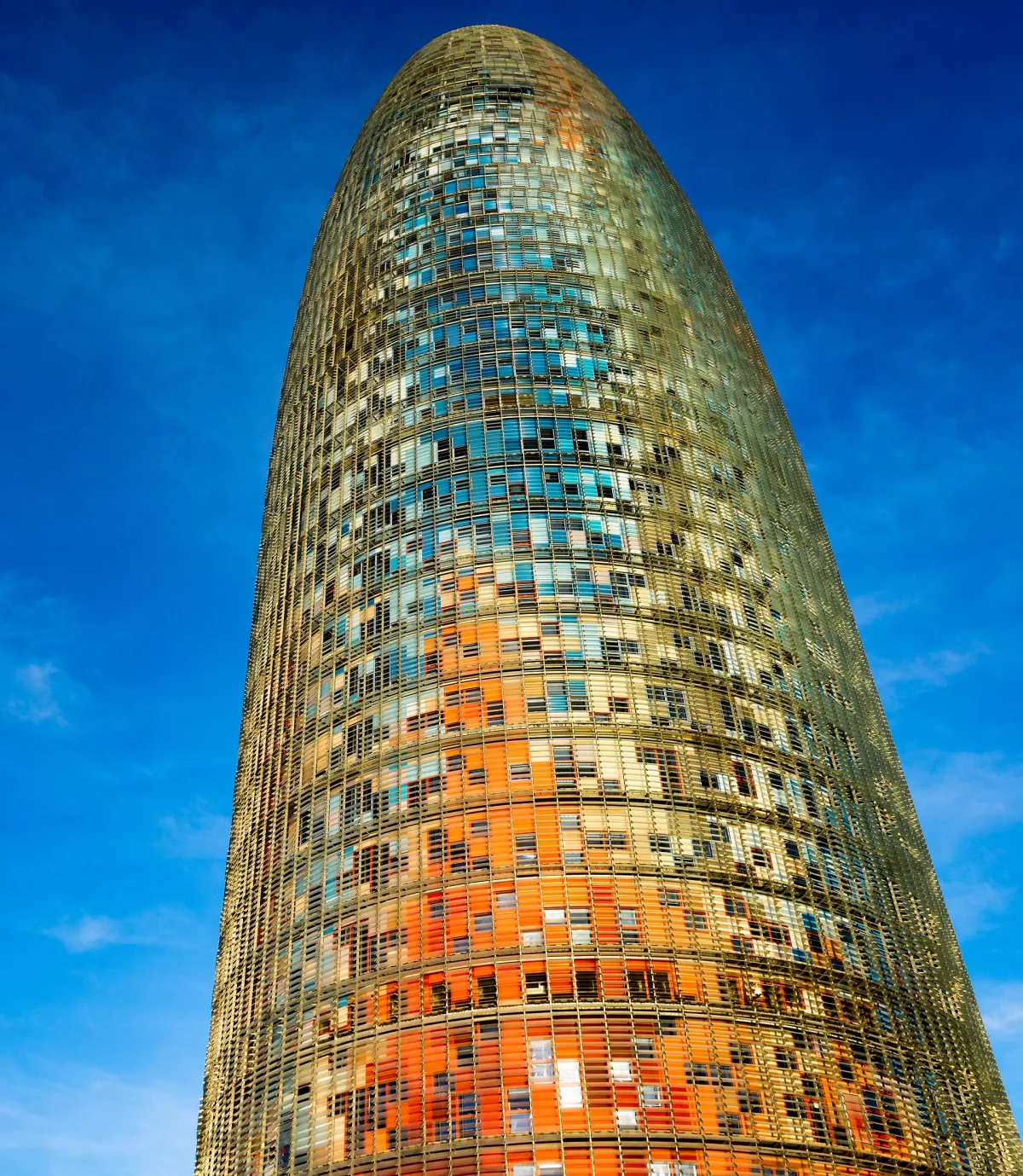
Torre Glòries, in the 22@ tech district. Image: Bjørn Erik Pedersen / Wikimedia Commons (CC BY-SA 4.0)
What it means for startups, companies and investors
For founders: Barcelona is a good place to build an applied-AI team at reasonable cost. The challenge is funding, which often comes from abroad.
For companies: the mix of suppliers, talent and research makes it easier to move from pilots to AI in production.
For investors: the gap between environment (9th) and private investment (48th) is, read the other way, an opportunity.
At DEXT FORCE we have spent three editions bringing startups, investors and brands together in Barcelona around AI, Web3 and innovation, with a conference by day and an electronic music festival by night. Data like this confirms why we do it here. To be at the next edition, join the waitlist.
Frequently asked questions
Where does Barcelona rank in the AI Cities Index 2026?
22nd out of 57 cities, with 20.9 points. It is fourth in Europe and second in the European Union, behind Paris.
Which city tops the ranking?
San Francisco, followed by New York, Seoul and Beijing. Paris, in 5th place, is the top European city.
Where does Barcelona stand out?
In operating environment, where it ranks 9th in the world, and in infrastructure (19th). Its weakest pillar is private investment (48th).

 By Marc Nieto