Santander and BBVA in the 21-bank consortium setting aside $270 million for a stablecoin
Santander and BBVA join Project Faro, a 21-bank consortium setting aside $270 million for a joint stablecoin due in 2027. What it is and why it matters.
By Marc Nieto
A consortium of 21 financial institutions, including Banco Santander and BBVA, has committed about $270 million to launch a joint stablecoin, Bloomberg reported on 10 November, citing people familiar with the matter. The project, known internally as Project Faro, aims to go to market in the first half of 2027 with a US dollar stablecoin, with a euro version as the next priority.
In short
What: 21 financial institutions are setting up a joint company to issue a stablecoin, a cryptocurrency backed 1:1 by reserves in traditional currency.
How much: about $270 million to cover roughly five years of operating costs, according to Bloomberg. The consortium has not confirmed the figure.
Who: Santander and BBVA, alongside Goldman Sachs, Citi, Bank of America, Deutsche Bank, UBS, Wells Fargo and 13 other institutions.
When: launch targeted for the first half of 2027; dollar first, then euro.
What Project Faro is
On 1 September, the 21 institutions announced in a joint statement that they will set up a new company in the second half of 2026, subject to closing conditions, to issue a stablecoin. The initial focus is the dollar, with the ambition of expanding into other G7 currencies and the euro as a priority. The group says it intends to comply with the US GENIUS Act and the EU’s MiCA regulation, as applicable.
The initiative started in October 2025, when ten banks, Santander among them, said they were exploring the issuance of 1:1 reserve-backed digital money on public blockchains. The group now brings together 18 banks and three non-bank institutions: Fidelity Investments, WisdomTree and Sirius International Holding.
According to Bloomberg, the institutions have set aside about $270 million to fund the new US-incorporated issuer for around five years. The group is still looking for a chief executive and has not decided on the coin’s public name, the blockchain it will use or how reserves will be managed. Santander and Deutsche Bank declined to comment, while Goldman Sachs and Citi referred questions to the project.
Why it matters for Spanish banking
Spain’s two largest banks are at the forefront of stablecoins, but with different bets:
Santander has been part of the project since the first announcement in October 2025.
BBVA is backing both sides: it is in Project Faro and also in Qivalis, the European consortium of 37 banks preparing a euro stablecoin. The Dutch central bank authorised Qivalis as an electronic money institution on 14 October, and issuance is planned for the coming months.
The move comes as MiCA is now fully applied in Spain and only authorised providers can operate, as we explain in our guide to CNMV-authorised exchanges. On the euro side, private banks are also competing with the ECB’s public project: see the digital euro explained.
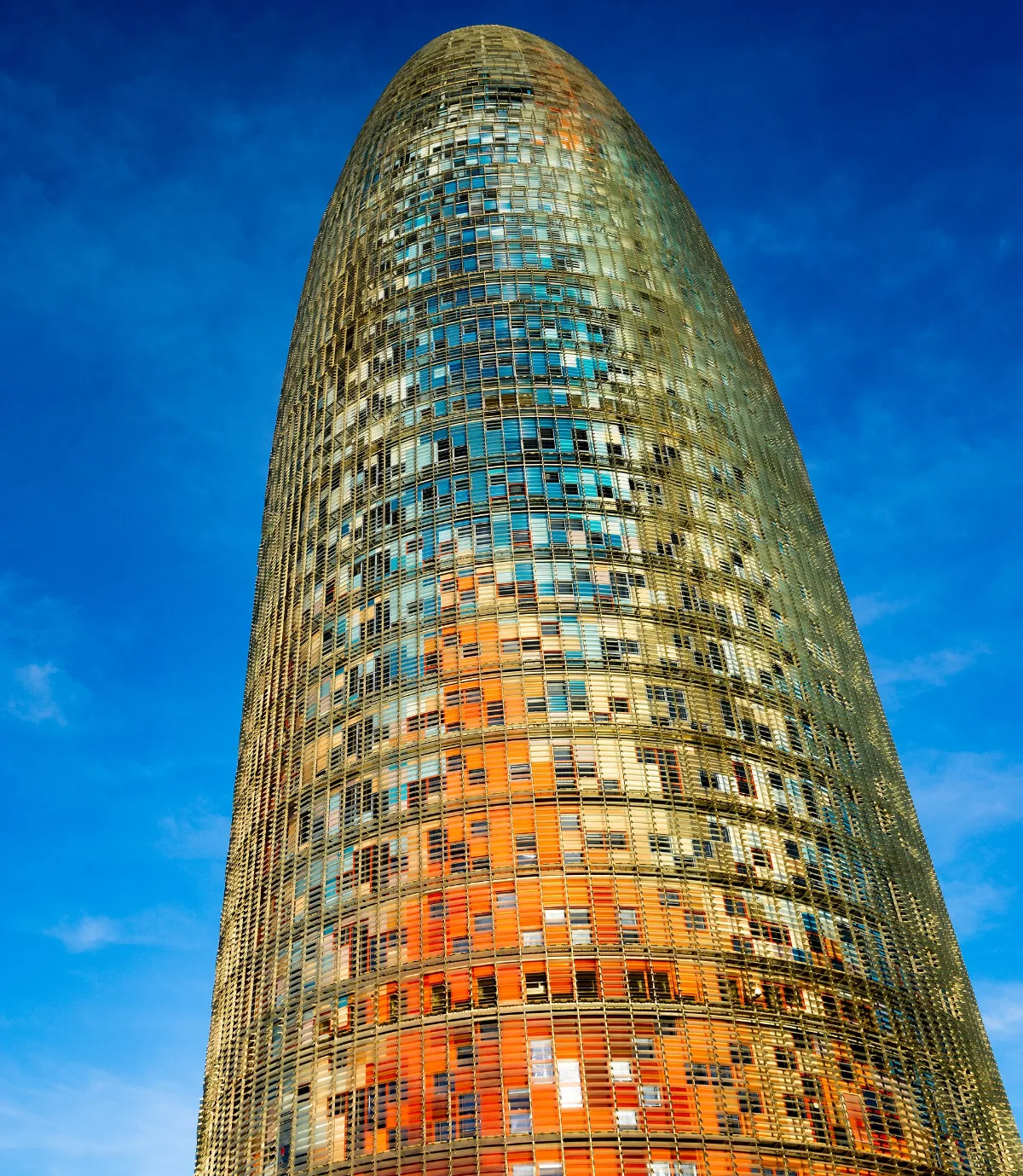
Torre Glòries, in Barcelona’s 22@ district. Image: Bjørn Erik Pedersen / Wikimedia Commons (CC BY-SA 4.0)
What it means for the Barcelona ecosystem
More on-chain payment infrastructure: a stablecoin issued by major banks opens the door to cross-border payments and digital asset settlement inside the regulated system, an area where many of the city’s fintechs are working.
An opening for tokenisation startups: settlement in bank-issued digital money fits with real-world asset tokenisation.
Competition for a private digital euro: if the consortium launches its euro version, it will compete with Qivalis, with stablecoins already authorised under MiCA and with the ECB’s digital euro.
What we still don’t know
The consortium has not disclosed how much each institution contributes, the final name, the network it will run on, or whether it already holds the necessary regulatory approvals. The $270 million figure comes from sources cited by Bloomberg.
Frequently asked questions
What is a stablecoin?
It is a cryptocurrency designed to keep a stable value, usually 1:1 with a currency such as the dollar or the euro, backed by reserves. It is used for payments and to move money between crypto platforms.
Will Santander and BBVA customers in Spain be able to use it?
There are no details yet. The group mentions wholesale, institutional and retail uses, such as cross-border payments and digital asset settlement. In the EU, any issuance will have to comply with MiCA.
When will the euro version arrive?
There is no date. The consortium lists it as the priority after the dollar version, which is targeted for the first half of 2027.
At DEXT FORCE we talk about how finance is changing with crypto, AI and new payment infrastructure, with founders, investors and banks on the same stage. Join the waitlist for the next edition.

 By Marc Nieto