Crypto self-custody after the 2026 hacks: hardware wallets, seed phrases, multisig, phishing and when to use a MiCA-regulated exchange.
By Marc Nieto
After a year in which major hacks are back in the headlines, many investors are asking the same question: should I leave my crypto on an exchange or hold it myself? Crypto self-custody means controlling your own private keys. It gives you independence, but it also puts all the responsibility on you. This guide explains how to store bitcoin safely, which mistakes to avoid and when it still makes sense to use a regulated provider.
At a glance
Context: according to Chainalysis, more than 3.4 billion dollars in crypto was stolen in 2025, and attacks on personal wallets reached 158,000 cases with at least 80,000 victims.
Self-custody: a hardware wallet and a seed phrase stored away from any connected device are the foundation; multisig adds a layer for large amounts.
Regulated exchange: can make sense for frequent trading or small amounts, always with a provider authorised under MiCA.
What happened with hacks in 2025 and 2026
Chainalysis puts 2025 crypto theft at more than 3.4 billion dollars, the highest level since 2022, as reported by The Block. Three incidents accounted for 69% of losses, led by the February Bybit attack (around 1.5 billion). North Korea-linked groups stole a record 2.02 billion, according to the same report.
The figure that matters most for everyday users is another one: personal wallet compromises reached 158,000 cases and at least 80,000 unique victims. Risk is not only on platforms; it also depends on how each person stores their keys. The trend continues in 2026, as the October Binance hack showed.
What self-custody is
Crypto is not stored on a device: it lives on the blockchain. What you store is the private key that lets you move it. If an exchange holds the key, it custodies your funds and you have a claim against it. If you hold it, nobody can freeze or lose your funds for you, but there is also nobody to turn to if you lose them.
Hardware wallet vs software wallet
Software wallet (hot wallet). A phone app or browser extension. It is free and convenient, but the key lives on an internet-connected device, exposed to malware, malicious extensions and phone theft.
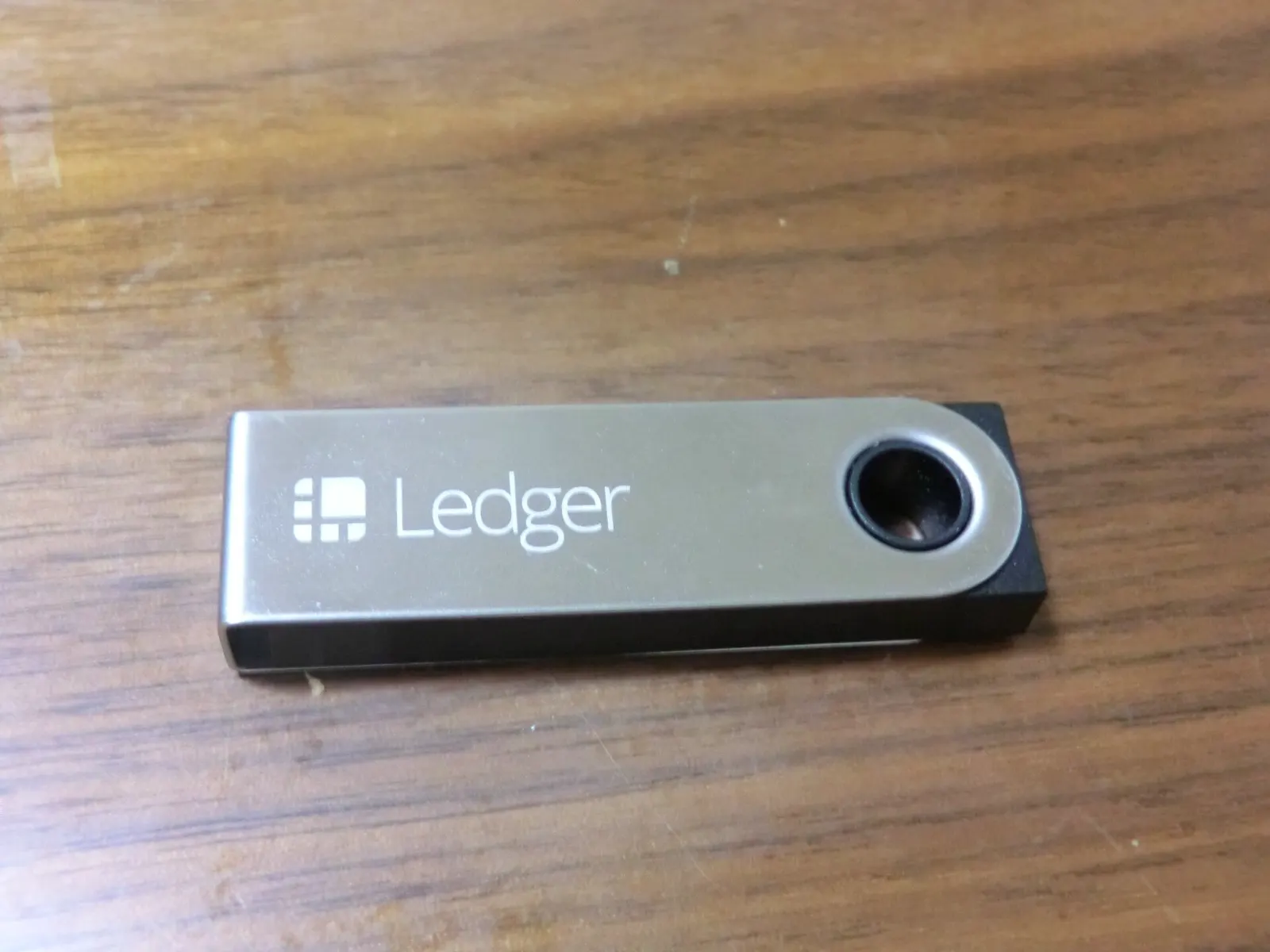
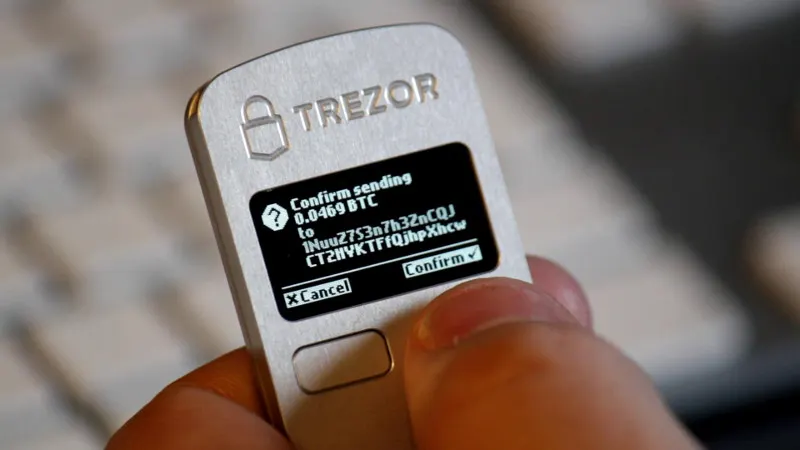
Hardware wallet (cold wallet). A dedicated device that generates and stores the key without it ever leaving. Every transaction is reviewed and signed on its own screen. It is the sensible option for amounts you cannot afford to lose.
Confirming a transaction on the hardware wallet screen. Image: Stickac / Wikimedia Commons (CC BY-SA 4.0)
Basic tips: buy it only from the manufacturer’s official site or authorised resellers, never second-hand, and always check the destination address on the device screen before confirming.
The seed phrase and multisig
When you set up a wallet, it generates a seed phrase, usually 12 or 24 words. Whoever has those words has your funds. So:
Write it on paper or a metal plate, never in a photo, a phone note, an email or the cloud.
Keep at least two copies in different places, protected from fire and water.
Never type it into a website or read it out to anyone. No legitimate support team will ask for it.
For large amounts there is multisig: the wallet requires, for example, 2 of 3 keys to move funds. If one key is lost or stolen, the rest stay protected. It takes more discipline, so it makes sense when the amount justifies the complexity.
Common mistakes and phishing scams
Fake websites and apps: copies of well-known wallets that appear in search ads or app stores.
Blind signing: approving a dApp permission without reading what it authorises, which lets tokens be drained later.
Fake support and fake refunds: after a hack, scammers contact victims by email, Telegram or phone promising to return funds in exchange for a fee, installing software or the seed phrase. An exchange never asks for your seed or an upfront payment to refund you.
Address poisoning: tiny transfers from addresses that look like yours so you copy the wrong one from your history.
Skipping a test: before a large transfer, send a small amount and confirm it arrives.
When it makes sense to keep funds on a MiCA-regulated exchange
Self-custody is not for everyone. If you trade often, hold small amounts or do not feel able to manage a seed reliably, an authorised provider can be safer than poor self-custody. In the EU, MiCA requires these providers to meet custody and asset-segregation rules. Before choosing, check it appears in the official registers: see our guide to authorised crypto exchanges in Spain under MiCA. A common rule: on the platform, what you use to trade; the rest, under your control.
Crypto security at DEXT FORCE
Custody, regulation and digital-asset security are recurring topics at DEXT FORCE, the Barcelona congress on finance, AI, startups and crypto, with an electronic-music after party. To talk with the teams working on it, check the meetings.
Frequently asked questions
What is the safest way to store bitcoin?
For most people, a hardware wallet bought from the manufacturer and a seed phrase written on paper or metal, stored in two different places and never digitised. For large amounts, a multisig setup.
What happens if I lose my hardware wallet?
The funds are not on the device. With the seed phrase you can restore them on another compatible wallet. Without the seed, there is no way to recover them.
Can anyone return funds stolen in a hack?
Be wary of anyone who contacts you promising it. Real refunds are announced through the platform’s official channels and never require your seed phrase or an upfront payment.
This article is for information only and is not financial or investment advice.

 By Marc Nieto